14 August 2011

The Right Food Is Your Medicine


Eating meals laced with paprika and cinnamon 'protects your body from effects of fatty foods'

Last updated at 8:32 AM on 12th August 2011
Eating a diet rich in spices such as turmeric and cinnamon can protect you from the physical damage caused by fatty meals, say scientists.
A team from Penn State University has found a blend of antioxidant spices can reduce the stress that high-fat foods can place on the heart.
When we eat, our bodies use carbohydrate calories for energy and turn leftover calories into triglycerides that are stored in fat cells for later use.

Heavily spiced curries could counteract the physical damage caused by fatty contents
Balancing act: The spices in curries could counteract any physical stress caused by high-fat contents
Study leader, Sheila West, said: 'Normally, when you eat a high-fat meal, you end up with high levels of triglycerides, a type of fat, in your blood.
'If this happens too frequently, or if triglyceride levels are raised too much, your risk of heart disease is increased. 
'We found that adding spices to a high-fat meal reduced triglyceride response by about 30 per cent, compared to a similar meal with no spices added.'
Professor West and her colleagues prepared meals on two separate days for six men between the ages of 30 and 65 who were overweight, but otherwise healthy. 
The researchers added two tablespoons of culinary spices to each serving of the test meal, which consisted of chicken curry, Italian herb bread, and a cinnamon biscuit. 
 
The control meal was identical, except that spices were not included. The team drew blood from the participants every 30 minutes for three hours. 
'In the spiced meal, we used rosemary, oregano, cinnamon, turmeric, black pepper, cloves, garlic powder and paprika,' said fellow researcher Ann Skulas-Ray.
'We selected these spices because they had potent antioxidant activity previously under controlled conditions in the lab.'
The spice dose provided the equivalent amount of antioxidants contained in 1.4oz of dark chocolate.
When the meal contained a blend of antioxidant spices, antioxidant activity in the blood was increased by 13 per cent and insulin response decreased by about 20 per cent.
High insulin levels can be toxic over time and cause a build-up of plaque in the arteries.  
'Antioxidants, like spices, may be important in reducing oxidative stress and thus reducing the risk of chronic disease,' Prof West said.
Many scientists think that oxidative stress contributes to heart disease, arthritis and diabetes.
Ms Skulas-Ray noted that adding two tablespoons of spices to meals did not cause stomach upset in the participants.
'They enjoyed the food and had no gastrointestinal problems,' she said. 
In the future, Prof West plans to investigate whether she can get the same results by adding smaller doses of spices to meals.
The findings were reported in the current issue of the Journal of Nutrition.


Read more: http://www.dailymail.co.uk/health/article-2024816/Eating-meals-laced-paprika-cinnamon-protects-body-effects-fatty-foods.html#ixzz1V2K9qp40

12 August 2011

SWAT Teams Attack Raw Milk Producers (video)

Just in case you haven't been awake, SWAT teams have been increasingly been used to prevent the production and consumption of raw milk! As though this age-old stable food of human-kind is some foul dangerous alien substance instead of the life-giving and healing miracle that it actually is. The suppression of raw milk by the powers that be is proof enough that milk is one key to unlocking human potential and placing it beyond the control of elite would-be world rulers. Their obvious fear of raw milk has nothing to do with concern over your and my health, it has to do with their fear of your and my human power and potential unleashed.


08 August 2011

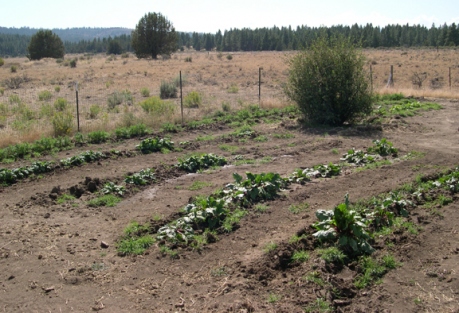
Guerrilla Warfare Gardening

Are you in survival mode yet? Don't you think its about time? The bad times that you were told about have arrived at the doorstep - drought, famine, economic collapse, war, unemployment, political chaos, social disintegration- just for starters. 
Will you wait until it is too late to do anything about it? Don't you see the self-destruction of the government and the economy? Who do you think is looking out for you? Are you looking out for you?


Guerrilla Warfare Gardening

By Barbara H. Peterson
Garden like your life depends on it – because it does!
In this age of rampant contamination of our food supply by pesticides, toxic sludge, radiation, and genetically modified organisms (GMOs), as well as increasing regulations restricting family farmers and people that merely want to use the space in their yards for something useful such as growing food, we would all do well to start learning how to plant a garden, and save the seeds from those crops for future plantings and to share with neighbors and friends so that if one person gets shut down,then others can share their saved seeds and the garden can be started right back up again.
This is guerrilla warfare using seeds as weapons of mass deliverance. 
How we started our guerrilla warfare gardening project
First, I found some non-GMO, non-hybrid seeds. I asked the local feed store what brand of seeds they carried, then looked up the brands on the Internet to find out who owned the companies, and if Monsanto had anything to do with them, then chose the non-Monsanto related brand.
We started out with a small outdoor garden, growing things that we were told would grow without too much expertise, since we were just beginners. We fertilized the garden area with aged horse manure from our own horses, and planted spinach, beets, carrots, cabbage, mustard greens, onions, swiss chard, lettuce, and radishes, then watered diligently by hand. We were not disappointed, and actually had a decent harvest our first year. This was encouraging.
After that, we experimented with other crops such as zucchini, butternut squash, cucumbers, and tomatoes. Since our growing season is so short, the squash, cukes and tomatoes froze. This was disappointing to say the least, but we learned.
I then went on the Internet to find out how to save and store seeds for future plantings. I found that it is necessary to get non-hybrid seeds, and wanting to keep everything organic, made sure that I got heirloom organic seeds from a reputable company. Here are instructions for harvesting and saving your seeds: LINK
The indoor garden
Because I love tomatoes, cucumbers, peppers, and butternut squash, this year I decided to do something different and start an indoor garden because these crops simply do not do well outside unless you have a greenhouse, hoop house, or other type of covering for them. Since we have a spare bedroom, it just seemed logical to convert it into a garden room.
We built a three-tier bench out of scrap lumber in front of the window, and installed a simple fluorescent grow light under the top shelf.
I used pie plates with clear plastic tops and plastic containers from the supermarket as mini-greenhouses to start the seeds, then transplanted them into large cans.
There are two other walls on which to build shelves, and we plan on doing that just as soon as possible to house the many plants that I started. We also plan on installing at least three more grow lights to make this room an all-year grow room, with fresh veggies available year-round. This will be accomplished by staggering the planting schedule. The tomatoes will hang upside down from the ceiling because they seem to do best that way, and it saves space in the room. Here is a link to some information regarding grow lights.
Future plans
In the future, we plan to expand our outdoor garden to include an automated sprinkler system, which will cut down on the manual labor. The indoor garden room will eventually contain its own water supply with utility sink, and a timer for the lights. The closet in the garden room will contain shelves to store seeds, supplies, and anything else I need to keep the garden growing.
If we can do this, so can you. I encourage everyone to start their own project, whether it is an indoor garden room like ours, an outdoor garden, greenhouse, window garden,hydroponics garden, vertical garden, or anything that your space will allow. The time to start is now, because if you are hungry, there is no time to learn how to do this. So take this time to prepare because we are quickly becoming so dependent on imported food that prices are apt to skyrocket out of control and out of the budget for many of us. What will you do if you go to the grocery store and a loaf of bread costs $10? I know what I will do. Plant more seeds and learn to live on fresh veggies for the majority of my diet. We can survive the coming crash, we just need to get resourceful and learn how to grow our own food in the face of all opposition. After all, this is guerrilla warfare using seeds as weapons of mass deliverance.
© 2011 Barbara H. Peterson – all rights reserved
Also posted at Freedom’s Phoenix

06 August 2011

Side by Side Comparison of Raw vs Pasteurized Milk

The Honorable Elijah Muhammad said once, "It is not necessary to condemn a dirty glass... Just set a clean one down beside it..."
No need then to condemn a glass of pasteurized milk, just set a glass of raw milk beside it and this is what you get. You do the choosing.


Raw Certified Milk

Pasteurized Milk

A. Cleanliness Regulations

  1. Tested daily at an independent laboratory for the Certified Milk Commission.
    1. Bacteria count for standard plate count: 10,000 per ml maximum for Certified Milk or Cream.
  2. Streptococci test once a month.

A. Cleanliness, CA State & County Law

  1. Tested once a month by the Health Department
    1. Bacteria count for the standard plate count: 50,000 per ml maximum before pasteurization; 15,000 per ml maximum after pasteurization for milk, 25,000 per ml maximum for cream.
    2. May not exceed 750 Coliform per ml in raw milk before pasteurization, taken at farm pick-up.
  2. No regulation requires test for Streptococci.

B. Herd tests in Los Angeles County, CA

  1. All dairy cows in a certified milking are vaccinated for brucellosis between the ages of 2-6months.
  2. Each certified cow is blood tested for brucellosis before entering the milking herd and receives a blood test at least once a year; thereafter reactors are removed.
  3. All raw certified milk is ring tested at least 4 times a year for brucella. If the ring test is positive, then entire herd is blood tested for brucellosis and any positive reactors are removed.
  4. TB skin test is performed annually on all cows in the certified milking herd by a state veterinarian. If reactors were found they would be removed from the certified herd. All certified milk dairy herds are free and are maintained free of TB because of constant vigilance and testing.
  5. Herd sanitarian from the County Medical Milk Commission visits the dairy weekly or more often. A health inspector from the county visits the dairy at least monthly.

B. Herd tests in Los Angeles County, CA

  1. All dairy cows are vaccinated for brucellosis between the ages of 2-6 months. All dairy cattle moving within the state must bear evidence of official calfhood vaccination.
  2. All dairy cattle must be blood tested for brucellosis if imported into California and reactors are removed.
  3. The milk from all dairy herds is ring tested at least 4 times a year for brucella. If the ring test is positive then the entire dairy herd is blood tested for brucellosis and any positive reactors are removed.
  4. TB Skin Test is performed on all cows by a state veterinarian at intervals longer than one year. If reactors are found, additional tests may be required. Reactor cows are removed.
  5. Health inspector visits dairy monthly.

C. Employee Health Examinations

  1. Once a month examination of each employee at certified farm. All new employees have a complete physical examination and tests when starting to work on a certified farm.
  2. Once a month throat culture and examination for streptococcus.
  3. During the year other tests are made at regular intervals. Another step to insure disease-free milk.
  4. Stool specimen is required from each employee bi-annually.
  5. Chest x-ray or skin test for TB required annually.

C. Employee Health Examinations

  1. Examination required at time of employment.


  2. None required.
  3. None required.
  4. None required.
  5. None required.

D. Nutritional Values

  1. Enzymes, catalase, peroxidase and phosphatase are present.
    1. Phosphates is needed to split and assimilate the mineral salts in foods that are in the form of phytates.
    2. Wulzen Factor (anti-stiffness) available.
    3. X Factor (now believed to be vitamin K2) in tissue repair available.
  2. Protein--100% metabolically available; all 22 amino acids, including the 8 that are essential for the complete metabolism and function of protein.


  3. Vitamins--all 100% available
    1. Vitamin A--fat soluble
    2. Vitamin D--fat soluble
    3. Vitamin E--fat soluble
    4. Vitamin K--fat soluble
    5. Vitamin B--Complex:
      Vitamin Bw--Biotin
      Vitamin B --Choline
      Vitamin Bc --Folic Acid
      Vitamin B1 --Thiamine
      Vitamin B2 --Inositol
      Vitamin B2 --Nicotinic Acid
      Vitamin B2 --Riboflavin
      Vitamin B2 --Pantothenic Acid
      Vitamin B3 --Niacin
      Vitamin B6 --Pyridoxine
      Vitamin B12--Cyanocobalamin
    6. Vitamin C
    7. Antineuritic vitamin


  4. Minerals--all 100% metabolically available.


  5. Carbohydrates--easily utilized in metabolism. Still associated naturally with elements (instable).
  6. Fats--all 18 fatty acids metabolically available, both saturated and unsaturated.

D. Nutritional Values

  1. Pasteurization destroys the enzyme phosphatase.
    1. Absence of phosphatase indicate that milk has been pasteurized.
    2. Wulzen Factor destroyed (anti-stiffness nutrition factor lost).
    3. X Factor--No evidence of alteration by pasteurization.
  2. Protein--Digestibility reduced by 4%, biological value reduced by 17%. From the digestibility and metabolic data it is concluded that the heat damage to lysine and possibly to histidine and perhaps other amino acids destroys the identity of these amino acids and partly decreases the absorbability of their nitrogen.
  3. Vitamins
    1. Vitamin A--destroyed
    2. Vitamin D--Not altered
    3. Vitamin E--Not altered
    4. Vitamin K--Not altered
    5. Vitamin B complex--pasteurization of milk destroys about 38% of the vitamin B complex.


    6. Vitamin C is weakened or destroyed by pasteurization. Infants fed pasteurized milk exclusively will develop scurvy.
    7. Antineuritic vitamin: Testing of pasteurized milk indicates destruction of this vitamin.
  4. Minerals-- After pasteurization the total of soluble calcium is very much diminished. The loss of soluble calcium in regards to infants and growing children must be a very important factor in growth and development, not only in the formation of bone and teeth, but also in the calcium content of the blood, the importance of which is now being raised.
  5. Carbohydrates —no evidence of change by pasteurization.
  6. Fats--Pasteurization harms the fat content of milk.

E. Possible Damage to the Health of Consumers from Drinking Pasteurized Milk

  1. Dr. J. C. Annand has written a series of articles in which he has advanced the theory that the increase in the incidence of heart disease was proximately related to the on set of pasteurization of milk. Different population groups were studied in various parts of the world. His theory is that the heat process of pasteurization alters the protein found in milk and as a result heated protein is responsible for the large increase in the incidence of heart trouble in citizens of western civilization, during the course of the past generation.
  2. Dr. Kurt A. Oster has advanced the theory that homogenization of milk is proximately related to the atherosclerosis which is so prevalent in citizens in developed countries of the western world. The reduction in the size of the fat particles caused by homogenization permits them to be assimilated into the stomach lining in a manner that was not contemplated by nature. When these fat particles along with xanthine oxidase get into the bloodstream the human system sets up a defense mechanism which results in the scarring of arteries.

A Campaign for Real Milk is a project of The Weston A. Price FoundationPMB 106-380, 4200 Wisconsin Ave, NW, Washington DC 20016
Phone: (202) 363-4394 | Fax: (202) 363-4396 | Web: www.westonaprice.org
General Information/Membership/Brochures: info (at) westonaprice.org
Local Chapters and Chapter Leaders: chapters (at) westonaprice.org
Website: webmaster (at) realmilk.com

05 August 2011

HIV and the Not So Gay Life Style


The open promotion of gay sex in schools, on TV and through out the media and society has some very serious consequences- rampant increases in HIV/AIDS and it is especially prevalent among black males who have adopted the gay life-style or who operate on the 'down-low'. Among other population groups infection rates have 'stabilized' but among young homosexual males in the US rates are skyrocketing out of control.

Young Gay Men Have More Than 25% of New HIV Cases in U.S., Researchers Say

Q
The number of new HIV infections has surged among young, black homosexual males even as the overall spread of the virus that causes AIDS stabilized, the Centers for Disease Control and Prevention. Photographer: Dana Mixer/Bloomberg
(Corrects phrasing on new infections in second paragraph of story published Aug. 3.)
The number of new HIV infections has surged among young, black homosexual males even as the overall spread of the virus that causes AIDS stabilized, the Centers for Disease Control and Prevention said.
The number of U.S. residents who became infected with HIV each year was on average 50,000 from 2006 to 2009, the agency said in areport published today on the website of the journal PLoS One. New infections among black men ages 13 to 29 who have sex with men jumped to 6,500 in 2009, a 48 percent increase from 2006 and the only statistically significant change in any segment of the population, according to the CDC.
The findings suggest young people view the threat of HIV and AIDS as less serious since of the advent of multidrug cocktails in 1996 that have doubled life expectancy for patients, public health officials said.
“We obviously have to re-educate the community,” said Georges Benjamin, the executive director of the American Public Health Association in Washington. “ Thirteen-, 14-year-old people today weren’t around 30 years ago. They were certainly not around when the height of our advocacy efforts and prevention messages were commonplace.”
More than one-quarter of new HIV infections in the U.S. in 2009 struck gay and bisexual males from ages 13 to 29, the Atlanta-based CDC said.

First Since 2008

The report by the agency is the first of its kind since 2008. About 1.2 million people in the U.S. have HIV, CDC Director Thomas Frieden said in a conference call with reporters.
Though the rate of new HIV infections was stable in the four years studied, the new cases justify heightened efforts to halt the spread of the virus, Frieden said.
“While we’re glad it’s not increasing, it’s not good enough,” he said. “The number of HIV infections remains far too high. HIV is preventable and we need to do more to prevent it.”
Men who have sex with men are most at risk of HIV infection, according to the report. Sixty-one percent of new cases in 2009, or 29,300, affected these men, who are 2 percent of the U.S. population, the agency said. Gay and bisexual males ages 13 to 29 represented 27 percent of new HIV infections.
The fact that 50,000 new HIV infections occur every year is “unacceptable” and the CDC’s findings indicate the spread of the disease will worsen if young, black homosexual males aren’t given access to comprehensive health-care services, said Chris Collins, vice president of public policy for New York-based amfAR, The Foundation for AIDS Research.

Prevention Programs

“Prevention programs have worked to bring incidence far down from their peak earlier on in the epidemic but they have not succeeded in getting us below this plateau of infections,” he said by telephone.
Expanding access to HIV screenings, health care services and antiviral drug are more important to curtailing the spread of HIV than prevention efforts, said Michael Weinstein, president of the AIDS Healthcare Foundation in Los Angeles, in a telephone interview.
Antiviral drugs made by the world’s biggest seller of AIDS treatments, Foster City, California-based Gilead Sciences Inc. (GILD), and GlaxoSmithKline Plc (GSK) of Brentford, England, helped reduce the transmission rate by 96 percent when patients began taking them as soon as they were diagnosed, according to a U.S.-funded study published in May. Millions of new infections could be prevented through this approach, the study said.

Racial Disparity

The infection rate among blacks was almost eight times that of whites in 2009. Forty-four percent of new HIV cases affected blacks, who comprise 14 percent of the U.S. population, the report said.
In 2009, 48,100 people contracted HIV, the agency said, based on the results of laboratory tests that can differentiate between new infections and older cases that hadn’t been detected. The CDC revised its estimates for new infections in 2006 to 48,600 from the 56,300 it estimated in a 2008 report.
OraSure Technologies Inc. (OSUR) of Bethlehem, Pennsylvania, Alere Inc. (ALR) of Waltham,Massachusetts, and Bray, Ireland-based Trinity Biotech Plc (TRIB) sell rapid HIV test kits.
In 1996, researchers combined use of the three existing families of drugs as a way to limit the virus’s ability to overcome any one roadblock. As a result, the life expectancy of diagnosed patients has increased to about 24 years from less than 10 years, according to studies.
President Barack Obama launched the first U.S. domestic strategy to combat HIV and AIDS last year with a stated goal of reducing new infections by 25 percent and expanding access to medicines. The campaign emphasizes HIV prevention among gay men and blacks.
The U.S. spent $26 billion to fight HIV during fiscal 2010, according to the Kaiser Family Foundation in Menlo Park, California.
To contact the reporter on this story: Jeffrey Young in Washington at jyoung89@bloomberg.net.
To contact the editor responsible for this story: Adriel Bettelheim at abettelheim@bloomberg.net.