25 July 2010

The Health Benefits of Cheeries

One of the reasons I love this time of the year is because cherries are in season. I love them and I try to eat as many as I can while the season last. It is not unheard of for me to eat 2 pounds at a single setting, as the major component of my meal for that particular day. Did I mention that I love cherries? In fact they should be called CHEERIES because they make you feel so good. I just ate a bowl of them and decided to share with you some of the health benefits from this delicious fruit and all the fruits in the berry family.
 
Cherries:  Good and Good For You


By Joseph Mercola
     with Sarah Potts
Everyone knows how delicious cherries can be, but did you know that they can also relieve pain, help you avoid premature aging, and add years to your life? Of course, eating cherries during these winter months can be costly and challenging, but at the end of this article you’ll read about a very convenient and wise solution that gets my absolute highest endorsement.
Help Fight Cancer and Disease
Cherries, along with many other berries, are a rich source of antioxidants. They help prevent or repair the damage that is done to the body’s cells by free radicals. This means that antioxidants replace free radicals in your body before they can cause any damage.
Queritrin--a flavonoid--is rich in cherries, and has been found by researchers to be one of the most potent anticancer agents. When eating cherries, the queritrin is set free to fight off all the body’s cancerous cells.
Cherries also contain ellagic acid, a naturally occurring plant phenolic known as an anti-carcinogenic/anti-mutagenic compound. Some researchers say that ellagic acid may be the most effective way to prevent cancer.
Another compound found in cherries--perillyl alcohol (POH)--is extremely powerful in reducing the occurrence of all types of cancer. Researchers found that POH stops the growth of cancer cells by depriving them of the proteins they need to grow. It has worked on every kind of cancer that POH has been tested against.
Help Relieve Pain of Arthritis and Gout
Tart cherries contain two powerful compounds, anthocyanins and bioflavonoids. Both of these compounds slow down the enzymes Cyclo-oxyygenase-1 and -- 2, which helps to relieve and prevent arthritis and gout in the body.
Eliminate Oxidative Stress and Prevent Premature Aging
Cherries are rich in two important flavonoids, isoqueritrin and queritrin, which act as antioxidants and work to eliminate byproducts of oxidative stress, therefore slowing down the aging process.
Help Cure Migraines
By helping to reduce inflammation in the body, the anthocyanin and bioflanoids in cherries also help eliminate migraine headaches. These compounds are known to have similar activity to aspirin and ibuprofen.
Improve Body’s Circadian Rhythms
Extensive evidence points out that the antioxidant melatonin, which is also rich in cherries, is significant in improving the body’s circadian rhythms. Since melatonin is found in small quantities in the body, a slight increase can produce great results.
Help You Sleep
Melatonin is also found to help the body’s natural sleep patterns. Since the body so rapidly absorbs melatonin, cherries can increase melatonin levels in the blood, therefore improving the way you sleep.
How to Get All the Powerful Benefits of Cherries ... Right Now
A handful of fresh cherries in the summertime are a natural gourmet delight, but if you want to harness the antioxidant power of cherries on a routine basis--and you definitely should, as they are one of nature’s true "healing foods"--then you should seriously consider red tart cherry juice concentrate.
Along with blueberry concentrate and pomegranate concentrate, cherry juice concentrate is a super-nutritious, all-natural--and absolutely delicious--daily addition to your diet. As part of my personal program to prevent disease and avoid premature aging, I drink these concentrates every day, and because I recommend them so highly as part of your preventive health program, I wanted to offer the same source I use to you.
And so, in the Recommended Products section of Mercola.com, you will now find Brownwood Acres cherry juice concentrate, as well as blueberry concentrate and pomegranate concentrate.
This tart cherry juice concentrate is 100 percent natural and contains an amazing 55 to 60 tart cherries in every ounce. That’s a single recommended serving, so in other words, you’d have to eat 55 to 60 cherries to get the same health benefit (and I don’t recommend eating 55 to 60 cherries, as that is too much sugar ... again, this is the concentrate, so you are getting the health benefit of the cherries without all the sugar).
While most people simply mix the concentrates with water and drink it every morning for all the health benefits along with the incredible taste, some enjoy mixing it with milk (I recommend raw milk, of course). As it is a concentrate, it is incredibly versatile as a healthy ingredient in many recipes, as well. For instance, if you are into juicing, the cherry concentrate is an exceptional addition to a wide range of recipes.
The Brownwood Acres tart cherry juice concentrate comes in a quart size, and I recommend you take about an ounce (or about 2 tablespoons) per day. While you’ll quickly come to love the taste of the concentrate diluted in water or milk, this is also a very healthy addition to your children’s daily diet. To make it most palatable to them, you can consider adding a few drops of honey to the mix.
Finally, many people enjoy the taste and health benefits of mixing the cherry juice concentrate with the blueberry concentrate or pomegranate concentrate, so I encourage you to find out the incredible health benefits of both of those, as well.
Related Articles:
Cherries Cut Carcinogens in Beef
Blueberry Hamburgers for Your Health
Berries: A Great Source of Plant Antioxidants
Berries May Fight Arterial Disease
Berries--The Best Overall Fruits for Your Health

Dengue Fever Case from the Gulf

What is evolving in the Gulf of Mexico region is a multifaceted mega-disaster, one facet of which is a massive public health crisis, itself composed of many different dimensions. One of those dimensions is the dimension of out of control insect born diseases such as malaria and dengue fever, the subject of the following article. Previously in this blog we reported that the CDC found a huge number of dengue cases in Key West. Here is a report of one such case, a woman who vacationed there, got bitten several times by mosquitoes and became very ill with dengue fever. Residents in the Gulf who are exposed to the chemicals being sprayed to disperse the oil may also become immune deficient- sort of a chemical AIDS syndrome, and this may activate dengue that may be dormant in their bodies, or make them more susceptible if they are bitten by infected mosquitoes. Hopefully dengue mosquitoes will not spread out of Key West.


'Indescribable, crazy pain': Surviving dengue fever

By Amanda Gardner
Since Potter's diagnosis, the CDC and health officials in Florida have confirmed at least 28 cases of the fever in Key West.
STORY HIGHLIGHTS
  • Dengue fever is a viral disease native to the tropics but very rare in the continental U.S.
  • Symptoms include nausea, fever, debilitating headaches, eye pain, and bloody urine
  • A rash in the form of small red dots is what caused Potter's doctor to suspect Dengue Fever
  • Dengue fever is transmitted by a mosquito found in warm climates
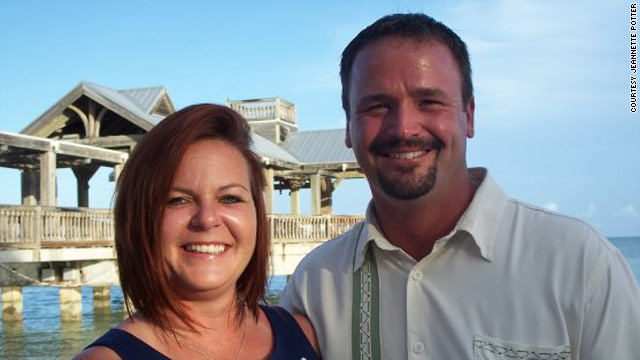
(Health.com) -- Jeanette Potter was in the Atlanta airport when she started to feel a bit off.
"I thought I had the flu, but it was a heavier kind of flu," says Potter, 34, who had been flying home to Rochester, New York, after a weeklong vacation in Key West. "I was achy. I had a headache. I was kind of disoriented."
Her symptoms weren't from the flu, as it turns out. They were the early signs of dengue fever, a viral disease native to the tropics but incredibly rare in the continental U.S. -- so rare that it took two weeks, three visits to the doctor, and one trip to the emergency room before experts at the Centers for Disease Control and Prevention finally identified what ailed her, in September 2009.
Potter is the first known victim of a dengue fever outbreak that has since led to more than two dozen confirmed cases in Key West, and, health officials fear, may be headed north.
Health.com: America's healthiest beach and lake getaways
Also known as "breakbone fever" because of the shattering pain it causes, dengue fever is transmitted by a mosquito found in warm climates, and is not contagious. (Potter got several mosquito bites in Key West.) People often contract dengue fever without realizing they have it, but in some cases it can lead to dengue hemorrhagic fever, a severe form of the illness which causes internal bleeding and can lead to shock and even death.
A day after returning from her trip, Potter felt much worse. Her aches were joined by chills, a low-grade fever, and a pounding headache that Tylenol and Advil were powerless to stop.
"My head hurt so bad that I wouldn't wish it on my worst enemy," she recalls. "It hurt to move my eyes. I was getting to the point where I couldn't function mentally. I was in a fog."
Oddly, Potter also noticed that her urine was discolored. She suspected a urinary tract infection, as did her doctor, Adriane Trout, M.D., a family physician at Rochester General Hospital, who prescribed antibiotics.
Health.com: Your healthy travel planner
Two days later, Potter returned to Trout's office and failed an equilibrium test (like the one used in field sobriety tests). Trout sent her to the emergency room. The ER physicians originally suspected spinal meningitis, but after eight hours of tests -- including a spinal tap and a CT scan, both negative -- they hadn't confirmed a diagnosis.
So Potter went home. "I was down and out in my bed for eight days straight," she says. "Your bones just hurt. That's why it's called breakbone disease. It's indescribable. I can't even articulate the crazy pain that you're in. You feel like you're heavy and out of your body."
When Potter failed to improve, Trout began to suspect dengue fever -- even though she had never before encountered the illness.
"What tipped me off was she had a petechiae rash," Trout says, referring to a series of small red dots on the skin caused by broken capillaries (a form of internal bleeding). "And her [blood] platelets were low, and when I looked at her blood cells, one of the markers for a viral infection was high."
After consulting with a colleague who's an expert on infectious diseases, Trout arranged for a sample of Potter's blood to be sent to the CDC office in Puerto Rico to be tested for dengue fever.
Health.com: Travel health: What to do if you get ill
The tests came back positive, and with that Potter became the first confirmed case of the fever acquired in Florida since 1934.

Since Potter's diagnosis, the CDC and health officials in Florida have confirmed at least 28 cases of the fever in Key West. More than 1,000 other residents -- roughly 5 percent of the local population -- may have been exposed without getting ill, according to a CDC report released last week.
A suspected case in Miami reported last Thursday turned out to be a false alarm, but health officials are worried that the fever may spread northward. "We're concerned that if dengue gains a foothold in Key West, it will travel to other southern cities where the mosquito that transmits dengue is present, like Miami," the chief of the dengue branch at the CDC, Harold Margolis, said in a statement that accompanied the report.
Health: Beat the top summer health hazards
The symptoms Potter experienced were textbook. Often mistaken for the flu, dengue symptoms include nausea, fever, debilitating headaches, eye pain, and bloody urine. The rash noticed by Trout is a telltale sign of dengue hemorrhagic fever.
Rick Branch, 41, a U.S. Navy officer stationed in Key West, was among the first cases to be confirmed after Potter. He started feeling sick on the Monday after Easter Sunday earlier this year.
"It felt kind of like a hangover -- though I wasn't drinking the night before," he says. "I had a foggy head. I was a little bit tired."
Three hours later, Branch was freezing cold and had a fever. By Tuesday his joints were getting sore, and by Wednesday the pain was excruciating. "I could barely walk straight because the joints hurt so bad," he recalls. "They don't call it breaking-bones for nothing."
He had also developed a rash, and by Thursday his gums were bleeding. "I was hemorrhaging," he says.
Although Branch and his wife had looked up his symptoms on the Internet and began to suspect dengue fever, it wasn't until he was flown to Miami and saw four doctors there that dengue fever was seriously considered.
Health.com: Stay safe at the beach
Most cases of dengue fever resolve on their own within a week or two, and there's no treatment for the disease except supportive care. Even Branch and Potter -- who had relatively serious cases -- got confirmation that they'd had dengue only after they had fully recovered. Potter suffered through eight days of agony before her pain stopped and she slowly started to feel normal again.
The CDC and the local department of health in Key West are advising people traveling to the area to use mosquito repellent and wear long sleeves and pants. Residents should also remove any standing water around their homes to keep the mosquito population down, officials said. (Branch has already done so.)
Now that Potter and Branch have developed antibodies to the virus, they run the risk of an even worse reaction if they're ever infected again.
Potter, for one, isn't taking any chances. "I will never go to Key West again, certainly," she says. "No way."

Growing Power Conference - Register Now!

"Building the Good Food Revolution”
gp-logo-final
spacer.gif 4742878679_395896b870_m

Early bird registration until August 15. Register today! 
 
Learn the ins and outs of the food system at the Growing Power National -International Farm Conference. Early bird registration is until August 15th. Registration is only $275 for all three days including delicious local and organic meals. The menu is prepared by Will Allen himself. We want to guarantee your meals at the conference are delicious, nutritious and memorable.  Register today to reserve your spot!
 

Don't miss exciting line up of Speakers


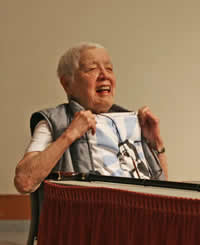
Grace Lee Boggs

  Boggsxs
(Grace Lee Boggs will be joining us via video conferencing)

Grace Lee Boggs is an activist, writer and speaker whose more than sixty years of political involvement encompass the major U.S. social movements of this century: Labor, Civil rights, Black Power, Asian American, Women's and Environmental Justice. Born in Providence, R.I. of Chinese immigrant parents in l915, Grace received her B.A. from Barnard College in l935 and her Ph.D. in Philosophy from Bryn Mawr College in l940.
 

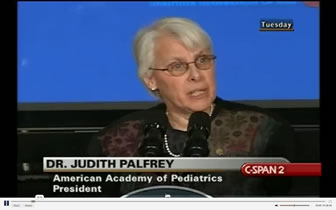
Dr. Judith Palfrey
 
judithpalfrey_letsmovexs
 
Watch Dr. Judith Palfrey's speech at First Lady Michelle Obama's Let's Move Launch.
Dr. Judith Palfrey is currently the Director of the Children's International Pediatric Center and is working to establish training and service programs in international sites based on her experiences in the United States. She is the author of five books including Community Child Health (Praeger Press, 1994) and Child Health in America (Johns Hopkins Press, 2006).
Read more

Will Allen
Read more about Will. 
willpoptech2009

First Lady Michelle Obama (invited)
http://www.letsmove.gov/
Will and MO Cropped Small

Urban Aquaculture Track

Learn about growing your food yourself, using aquaponic technology.  This workshop is designed to educate, enlighten, and inform participants, whether novices or experts, operating small or large facilities, in urban or rural environments about the critical aspects of aquaculture including fin fish husbandry and biology, water quality, system design and technology and fish health.
Workshop includes:
  • Production System Technology
  • Production Systems Water Chemistry
  • Adopting the Vertically Integrated Approach
  • General hygiene practices
  • Mortar and Brick natural systems
  • Fish Processing Workshop
See Fred Binkowski explains this track : Urban Agriculture : Fish from Freshwater
fredvideo
More details on other tracks next week!  


Building an Urban Farm Sponsors
bonterra
Bonterra : Official Wine Sponsor
NEAF_Logo_RGB
The NEA Foundation :Experiential Education Track Sponsor

Building a Community Garden Sponsor

welogo_tag

Support the Good Food Revolution! Become a sponsor of this conference, your sponsorship will help us keep the registration fee low and delicious local foods in abundance throughout the conference.  Sponsorship opportunities available 
Exhibit Booths are still available. Be an exhibitor at this conference !
Advertise in our Program Book! The program book is chokeful of useful information that attendees will keep for years to come. Very affordable rates

For more information on the conference, please visit our official website at 
Growing Power News: 
4742812985_4fc781a1be
We're back at Mayor's Garden this year. It's bigger than ever!  see photo gallery online. 
Special tickets for Outstanding in the Fields at Growing Power's Grant Park, it's a SOLD OUT event. Only 20 tickets available here before it is released.
https://outstandinginthefield.com/shop/ticket-release/?ac=lszMQR65eRvArJni98CKWtIs7M5PE4Fc9Ot6
2010 Copyright Growing Power, Inc.
www.growingpower.org
Milwaukee WI


Click to view this email in a browser

If you no longer wish to receive these emails, please reply to this message with "Unsubscribe" in the subject line or simply click on the following link: Unsubscribe

Growing Power Inc
5500 W. Silver Spring Dr.
Milwaukee, Wisconsin 53218
Read the VerticalResponse marketing policy.
Non-Profits Email Free with VerticalResponse!

24 July 2010

Olatunji (music video)

Babatunde Olatunji and the power of rhythm


 Receive a 25% discount on your office visit in August when you bring a guest who is also seen as a client.


Your guest will also receive 50% off their office visit!
 
 
                         That is a huge savings.


                          Your health is your most  important resource.        
 
                             Make it a priority and set your appointment today.
 
                                  Call (240) 245-4147


Abundant Life Health Attainment Center
                                                12164 Central Ave Suite 227A
                                                     Mitchelleville, MD 20721
 
 
                        Free Online Health Assessment
                              www.myabundantlife.me 


Millions Poisoned In Gulf Disaster - EPA Whistle Blower

Wave-oil

Censored Gulf news: People bleeding internally, millions poisoned says 'EPA whistleblower'


Chemical dispersants being released near Houma, Louisiana in the Gulf of Mexico
Photo: USCG/1planet1ocean


"...we have dolphins that are hemorrhaging. People who work near it are hemorrhaging internally. And that’s what dispersants are supposed to do... Congressman Markey and Nadler, as well as Senator Mikulski, have been heroes... Mark Kaufman, EPA whistleblower, Democracy Now!

Poisoning millions of people

In its report, EPA Whistleblower Accuses Agency of Covering Up Effects of Dispersant in BP Oil Spill Cleanup, Democracy Now! states that "many lawmakers and advocacy groups say the Obama administration is not being candid about the lethal effects of dispersants," so Amy Goodman interviewed Hugh Kaufman, a senior policy analyst at the EPA’s Office of Solid Waste and Emergency Response and a leading critic of the decision to use Corexit" who disclosed how the officials are lying about many things related to the catastrophe poisoning "millions of people." (Listen: Real Audio Strea or MP3 Download)
The rushed transcript includes Kaufman saying, "And I think the media now has to follow the money, just as they did in Watergate, and tell the American people who’s getting money for poisoning the millions of people in the Gulf. (Emphasis added)

"While concerns over the impact of chemical dispersants continue to grow, Gulf Coast residents are outraged by a recent announcement that the $20 billion government-administered claim fund will subtract money cleanup workers earn by working for the cleanup effort from any future claims.
The "Vessels of Opportunity" program has employed hundreds of Gulf Coast out of work people because of the spill which Kaufman says is viewed as yest another way "to limit the number of lawsuits against BP."
"And the government—both EPA, NOAA, etc.—have been sock puppets for BP in this cover-up. (Emphasis added)
Kaufman concurs with MSNBC's report last week, that "sole purpose in the Gulf for dispersants is to keep a cover-up going for BP to try to hide the volume of oil that has been released and save them hundreds of millions, if not billions, of dollars of fines... not to protect the public health or environment. Quite the opposite.."
He says to follow the money, and that leads to individuals in the Obama Administration, naming Mr. Geithner, Mr. Summers with close ties to Larry Fink who owns BlackRock that owns most BP shares.
He commented on the children being poisoned:
"...you know, when you’re on the sand with your children and they dig, and there’s a little water?—they documented there was over 200 parts per million of oil waste in the water, and it’s not noticeable to the human eye...  On top of it, the contamination in one of the samples was so high that when they put the solvent in, as a first step in identifying how much oil may be in the water, the thing blew up, just as he said, probably because there was too much Corexit in that particular sample."
When Goodman asked Kaufman to comment on the similarities between the Ground Zero of the Gulf catastrophe and what happened at Ground Zero of 911, he explained that he did the ombudsman investigation on Ground Zero, "where EPA made false statements about the safety of the air" ... since proven to be false.
Red herring: No more tests needed. Corexit known to be dangerous.

"The largest ingredient in Corexit is oil. But there are other materials. And when the ingredients are mixed with oil, the combination of Corexit or any dispersant and oil is more toxic than the oil itself. But EPA has all that information.
"That’s a red herring issue being raised, that we have to somehow know more information. When you look at the label and you look at the toxicity sheets that come with it, the public knows enough to know that it’s very dangerous. The National Academy of Science has done work on it. Toxicologists from Exxon that developed it have published on it.
"So, we know enough to know that it’s very dangerous, and to say that we just have to know more about it is a red herring issue. We know plenty. It’s very dangerous."
"[T]he media now has to follow the money, just as they did in Watergate, and tell the American people who’s getting money for poisoning the millions of people in the Gulf."
No mention was made by the whistleblower about military involvement in this operation,  nor that the DoD has been in bed with EPA for decades, testing aerosol sprayed chemicals on unwitting individuals and large populations.
With all eyes on big bad BP, could it be the real red herring?
Photo: Democracy Now!

Why Ronald McDonald Can't Be Trusted

One of the reasons to never buy 'food' from corporations, besides the fact that they don't actually sell food, they sell 'food products', is that corporations can not be trusted. They think that food is a business, but they are wrong and if you aren't careful they will make you dead wrong. Food is life itself and is therefore sacred. But what do the 'artificial persons', which corporations are legally defined to be, know about life, food or health? They only care about their 'life blood' which is money. Food, as found growing in Nature, as created by God, to a corporation has to be manufactured into a food product. Healthy to a corporation means profitable. They speak a language which is confusing to us human beings. Notice how they make up words like 'mcnuggets' that you never heard of before. So as one human being to another, who also is not an artificial person, beware the corporation!

Chicken McNuggets Contain Disturbing Additives

Posted By Dr. Mercola
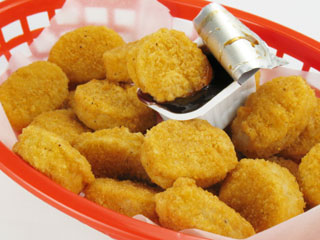
chicken nuggetsIn response to reports that the ingredients may pose health risks, McDonald's China claims that additives in its chicken McNuggets are "harmless".
They said that the use of tertiary butylhydroquinone meets Chinese food safety standards. However, "the chemical is toxic to some extent," according to Liu Qingchun, a nutritionist at the General Hospital of Armed Police Forces.
Bloomberg reports:
"McNuggets served in the U.S. also contain tertiary butylhydroquinone, a petroleum-based product, and dimethylpolysiloxane, an anti-foaming agent used in cosmetics and other goods.
McDonald's Holdings Co. Japan also serves chicken with the additives".

Sources:


Dr. Mercola's Comments:


Most people don't realize this, but McDonald's fare, as unhealthy as it is in general, is even worse in some countries than others.
According to McDonald's, the reason for the differences in ingredients is "local tastes." For example, US McNuggets not only contain more calories and fat than British McNuggets, they and also contain chemical additives not found in the British nuggets, according to a recent CNN report.
And although Bloomberg made it sound like China's McNuggets are tainted with questionable chemicals, it turns out the same chemicals are used in American McNuggets as well.  
The two chemicals in question are:
  1. Dimethyl polysiloxane, an anti-foaming agent used in cosmetics and a variety of other goods
  2. Tertiary butylhydroquinone (TBHQ), a petroleum-based product with antioxidant properties
According to CNN:
"Dimethyl polysiloxane is used as a matter of safety to keep the oil from foaming, Lisa McComb [who handles global media relations for McDonald's] says. The chemical is a form of silicone also used in cosmetics and Silly Putty.
A review of animal studies by The World Health Organization found no adverse health effects associated with dimethyl polysiloxane.
TBHQ [tertiary butylhydroquinone] is a preservative for vegetable oils and animal fats, limited to .02 percent of the oil in the nugget."

Are these Food Additives Really Safe to Eat?

After searching for information about these two chemicals, I'm left with more questions than answers.
At its 19th and 21st meetings, the Joint FAO/WHO Expert Committee on Food Additives determined that tertiary butylhydroquinone (TBHQ) was safe for human consumption at levels of 0-0.5 mg/kg of body weight.
More recently, the Codex commission set the maximum allowable limits up to between 100 to as much as 400 mg/kg, depending on the food it's added to – chewing gum being allowed the highest levels of TBHQ.
However, according to CNN:
"One gram (one-thirtieth of an ounce) [of TBHQ] can cause "nausea, vomiting, ringing in the ears, delirium, a sense of suffocation, and collapse," according to A Consumer's Dictionary of Food Additives."
So what IS TBHQ anyway?
TBHQ, although listed as an "antioxidant," is a SYNTHETIC chemical with antioxidant properties, commonly used as a food stabilizer. It prevents oxidation of fats and oils, thereby extending shelf life of processed foods.
It's used in a wide variety of processed foods, including:
  • Vegetable oils
  • Baked goods
  • Flavoring and spices
  • Margarine
  • Cereals and grains
  • Snack foods like potato chips
But you can also find it in varnishes, lacquers, resins, oil field additives, and pesticide products, and it is commonly used in cosmetics and perfumes to reduce the evaporation rate and improve stability.
So, I decided to check and see how the cosmetics industry rates the chemical.
The Environmental Working Group (EWG) rates TBHQ as a "moderate hazard," but most interestingly, Canada has prohibited and restricted its use in cosmetics.
Perhaps Canada decided to pay attention to the limited research available on this chemical… The EWG lists a number of health hazards associated with TBHQ, such as:
  • One or more animal studies show liver effects at very low doses
  • One or more in vitro tests on mammalian cells show positive mutation results
  • One or more animal studies show biochemical changes at very low doses where the human health implications are not yet well understood
  • One or more animal studies show reproductive effects at high doses
The good news is that it is not suspected to be a persistent toxin, meaning your body is probably able to eliminate it so that it does not bioaccumulate.
As for the anti-foaming agent dimethyl polysiloxane, although it "sounds" bad, it does not appear to have any known toxicity, although I have to wonder if it's because it hasn't undergone any significant safety studies in the first place…

Other Dangerous Ingredients Found on McDonald's Menu

Whether or not TBHQ and dimethyl polysiloxane are necessarily worthy of significant concern, McDonald's foods contain plenty of other ingredients that can seriously harm your health.
If you have not yet seen Morgan Spurlock's documentary Super-Size Me, I highly recommend it. It's a real-life illustration of just how dangerous – life threatening, in fact – a fast food diet can really be! Morgan's life; his physique and his health, dramatically changes in just FOUR WEEKS when he switches to a 100 percent Mickey-D diet.
It's quite clear that fast food leads to obesity and insulin resistance – and just as Spurlock proved in his film, it doesn't take long.
It also doesn't take much: One 15-year study found that those who ate fast food twice a week or more gained 10 pounds more and were twice as likely to develop insulin resistance than those who ate it less than once a week, even after other lifestyle factors were accounted for.
But that's not all.
Many of the foods on their menu, especially those that contain "natural flavors" or "hydrolyzed protein" as ingredients, contain MSG. Glutamic acid (MSG) is a toxic substance that literally kills your brain cells.
For more in-depth information about MSG, I highly recommend reading Dr. Russell's Blaylock's book, Excitotoxins: The Taste That Kills.
MSG makes the food taste good, no matter what it's made of, and it's inexpensive, making it the perfect processed food additive.
The bottom line is that if you want to stay healthy, and keep your children healthy, you have to avoid fast food and other processed foods, and invest some time in your kitchen, cooking from scratch.
Cooking for your children may actually have extremely far reaching benefits, because it is now well known that dietary changes can prompt epigenetic DNA changes that can be passed on to future generations. For instance, pregnant rats fed a fatty diet had daughters and granddaughters with a greater risk of breast cancer.
Could it be that we're just now starting to see the generational effects of our grandparents' and parents' penchant for processed foods?
Perhaps.
But the good news is you can change the trend, and you can "override" genetic predispositions by choosing your foods wisely today.